
Breaking Free from the Time-for-Money Business Model: Scaling Your Service Business
Share this article
Stop selling your time. It's your worst asset.

Picture yourself in Michael's shoes. He launched his engineering consultancy five years ago with big dreams and deep technical know-how. Today, his firm has 12 employees and a solid reputation, yet something doesn't feel right.
Despite expanding the team, Michael's firm has hit a growth plateau. Revenue has flattened while overhead costs continue to rise. Recently, after exhausting every possible option—rescheduling projects, bringing in contractors, even considering temporary staff—he reluctantly declined a landmark project that could have opened doors to an entirely new market sector.
Over coffee with a fellow firm owner, Michael confides: "We're working harder than ever, but somehow we feel stuck. I didn't start this journey just to create more jobs, including my own—I want to build something that truly scales."
Michael's experience is a classic example of the time-for-money business model, where service business owners struggle to achieve scalability. This mirrors what you might be feeling right now—caught in the trap of trading time for money that so many owners of service-based businesses eventually encounter, whether in professional services, IT, or digital marketing.
Breaking the Revenue-Time Connection
Here's the reality: there are only so many hours in the day. No matter how efficiently your team works or how high you set your rates, you can't bill more than 24 hours in a day.
The real opportunity for scaling a professional services business lies in breaking the time-for-money cycle and shifting towards revenue growth strategies that are not tied to hours worked. Your team already delivers tremendous results—now capture that value without being chained to timesheets.
Ask yourself: What's one service you provide where the value to clients far exceeds the time you spend delivering it?
Ending the Growth-Burnout Cycle
You know the pattern—more clients should mean celebration, not exhaustion. But when every new project means squeezing more hours from your team, growth feels like a burden.
Pro Tip: Next time you land a new client, ask: "How could we deliver this outcome with half the usual time investment?" This question forces innovative thinking that can transform your delivery model.
Building a Business That Works Without You
True service business scalability comes when your company thrives even when you're not there, creating a business model that supports service business valuation—with systems, assets, and teams that deliver value consistently without your daily input.
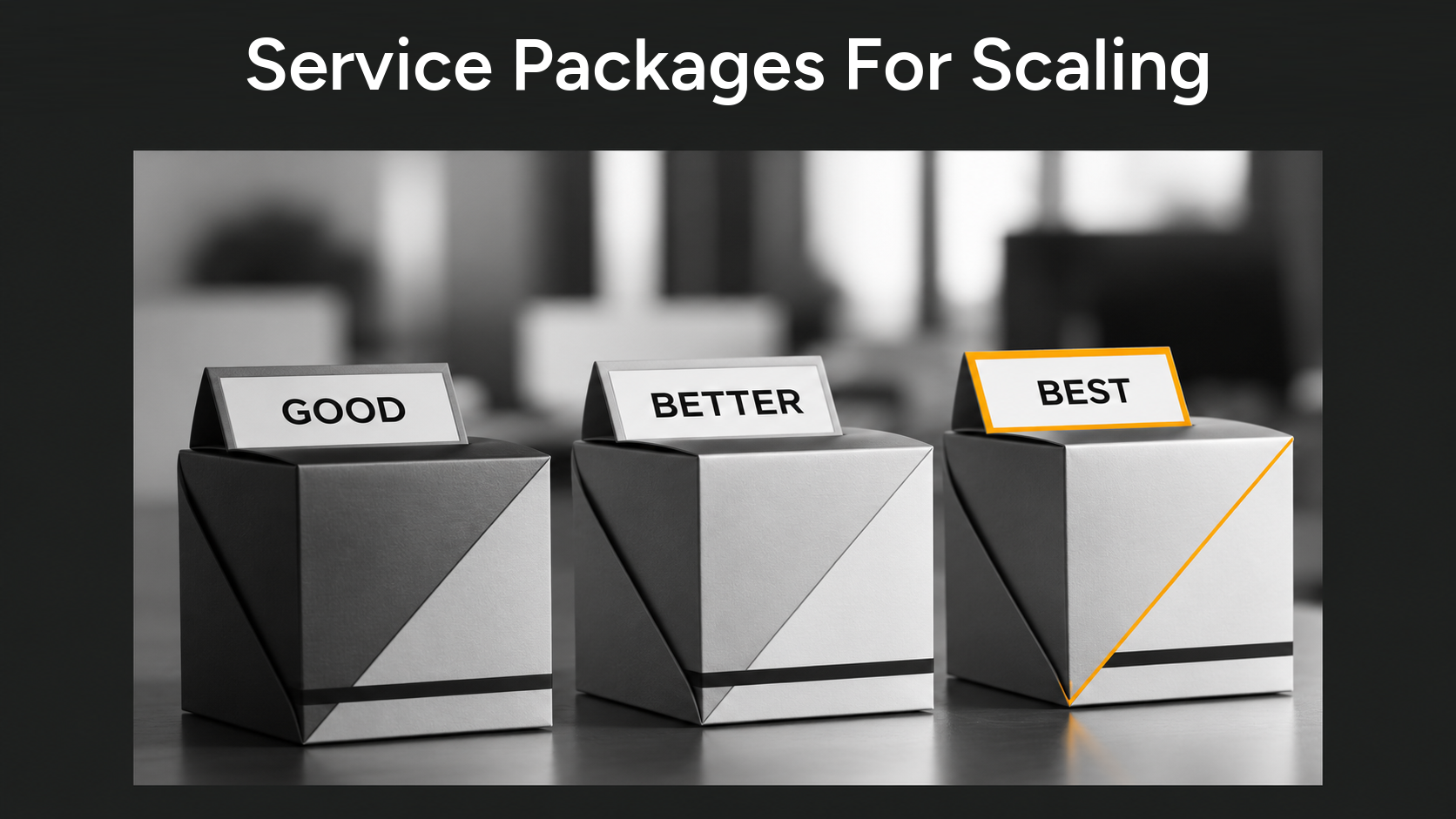
Quick Example: One IT services firm transitioned from custom solutions to three standardised service tiers with clear processes. Within a year, the owner took his first two-week holiday in five years—without a single client emergency call.
Four Ways to Transform Your Service Business
1. Grow Revenue Without Growing Headcount
What if you could double your revenue while only adding a few people? Most service businesses think growth = more people = more revenue = more headaches. However the most successful grow revenue at a much faster rate than team size.
Real-World Example: A 22-person digital marketing agency restructured its services into outcome-based packages rather than hourly work. Within 18 months, they doubled revenue while adding just three new team members.
2. Build a Business That's Actually Worth Something
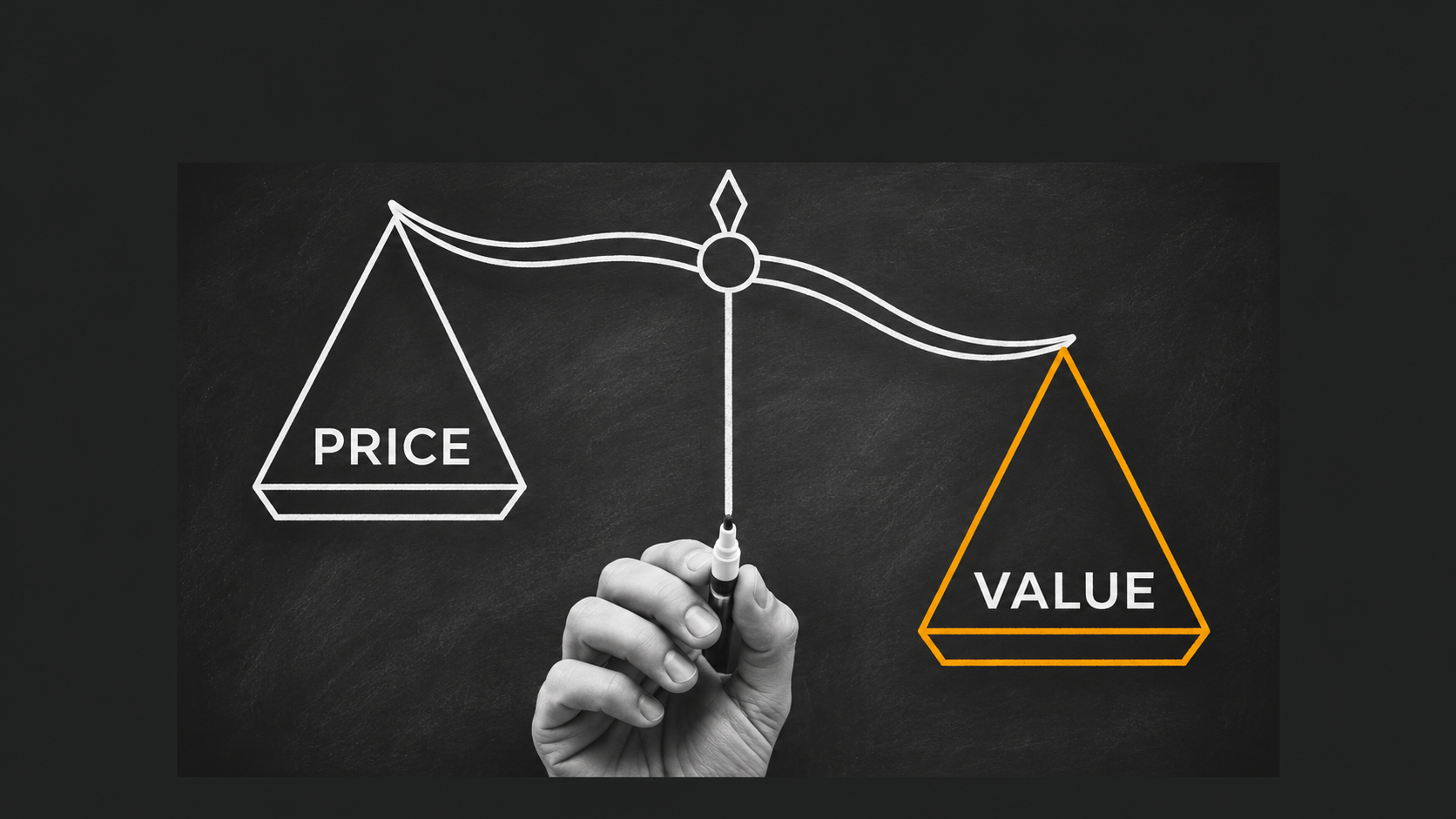
Let's be brutally honest: most service businesses have poor valuation when the owner wants to sell due to their dependence on the time-for-money business model. Why? They've built a job, not an asset.
Key Question:
If you stepped away for three months, would your revenue stay the same or even increase, or would your business noticeably slow down? Your answer reveals whether you've built an asset or just created jobs.
3. Stop Competing on Hourly Rates
When you're selling hours, you're inviting price comparisons. But when you're selling outcomes and specialised expertise, you create a significant point of difference that can position you as a category leader in your industry.
Pro Tip: When a prospect asks about your hourly rate, redirect: "Instead of focusing on our hourly rate, let's talk about what this project is worth to your business once it's successfully completed."
4. Create a Business That Energises Instead of Exhausts
The typical service business creates a treadmill that gets faster as you grow. More clients = more work = more stress = less creativity.
Think About This: McDonald's chose not to offer custom menus that would exhaust their kitchen staff. Instead, they created standardised offerings and systems for consistent delivery at scale. What standardised offerings could help your service business scale more efficiently?
A Fellow Traveler on the Journey
Having been part of the transformational journey for numerous service businesses breaking free from the time-for-money trap, I recognise Michael's frustration. That sense of hitting a ceiling despite doing everything "right" is a pivotal moment many business owners experience before discovering there's an alternative to the constant trade of time for revenue.
The traditional time-for-money business model isn't wrong—it's simply the first stage in a business evolution that has several more chapters. The expertise and client relationships you've built have created a strong foundation. Now it's time for the next phase of your entrepreneurial journey.
Running my own business, combined with 20 years of helping businesses scale, has taught me
what works—and, more importantly,
what doesn't. I've seen the costly mistakes and dead ends that can waste precious time and resources. This hard-won experience helps you bypass the trial and error that slows most businesses down, allowing you to unlock your business's full potential while staying true to your vision and values.
The Cost of Staying the Course
Let's be real about what happens if you keep doing business the same way:
- Your revenue will always be capped by billable hours
- Your business will remain difficult to sell at a premium
- You'll keep fighting price-based competition
- Your team will face constant pressure from utilisation targets
- And most importantly—you'll stay trapped in the business
The Critical Question:
Are you building a practice that requires your constant attention, or a business that can thrive without you?
Three Pathways to Freedom
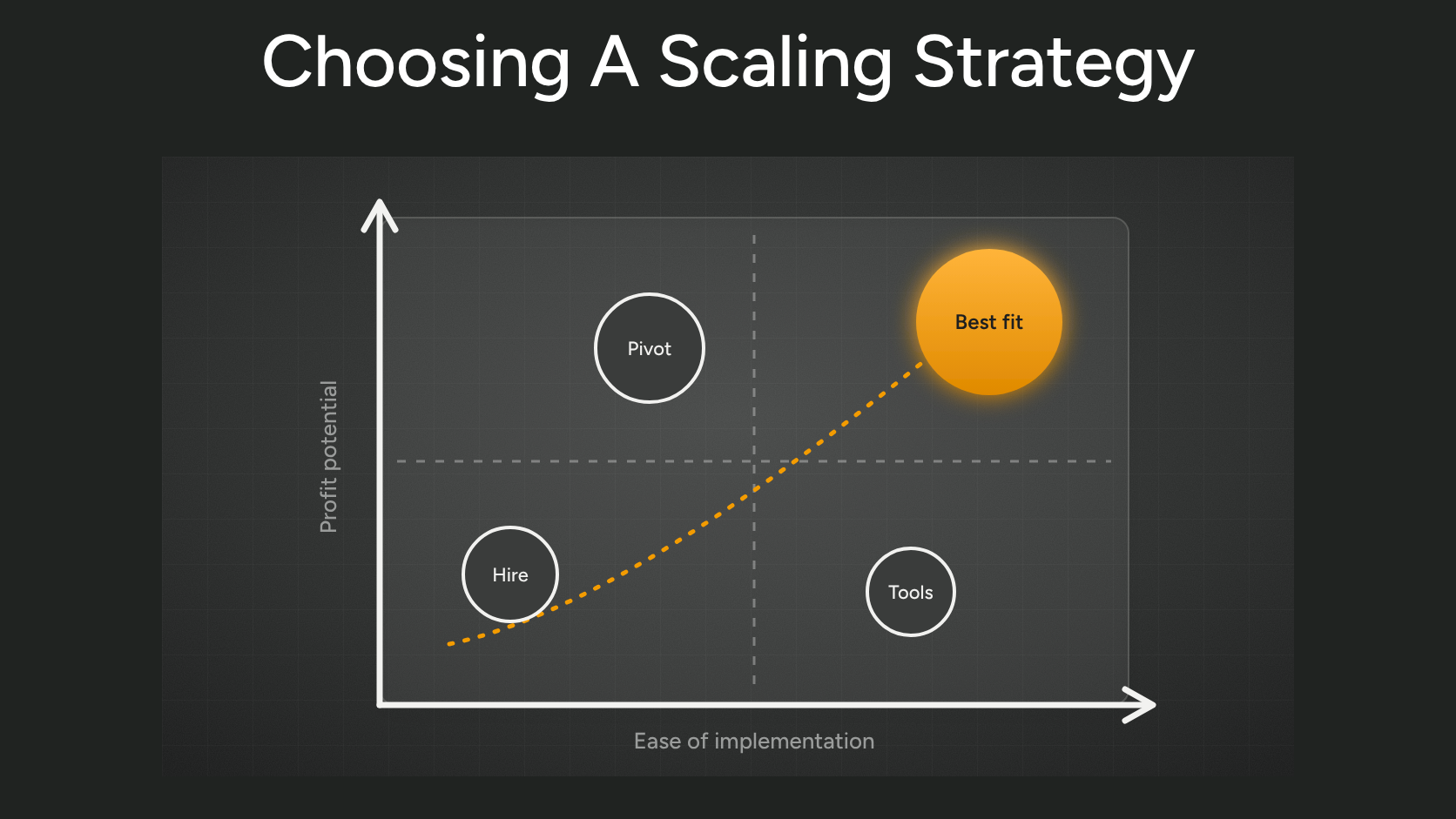
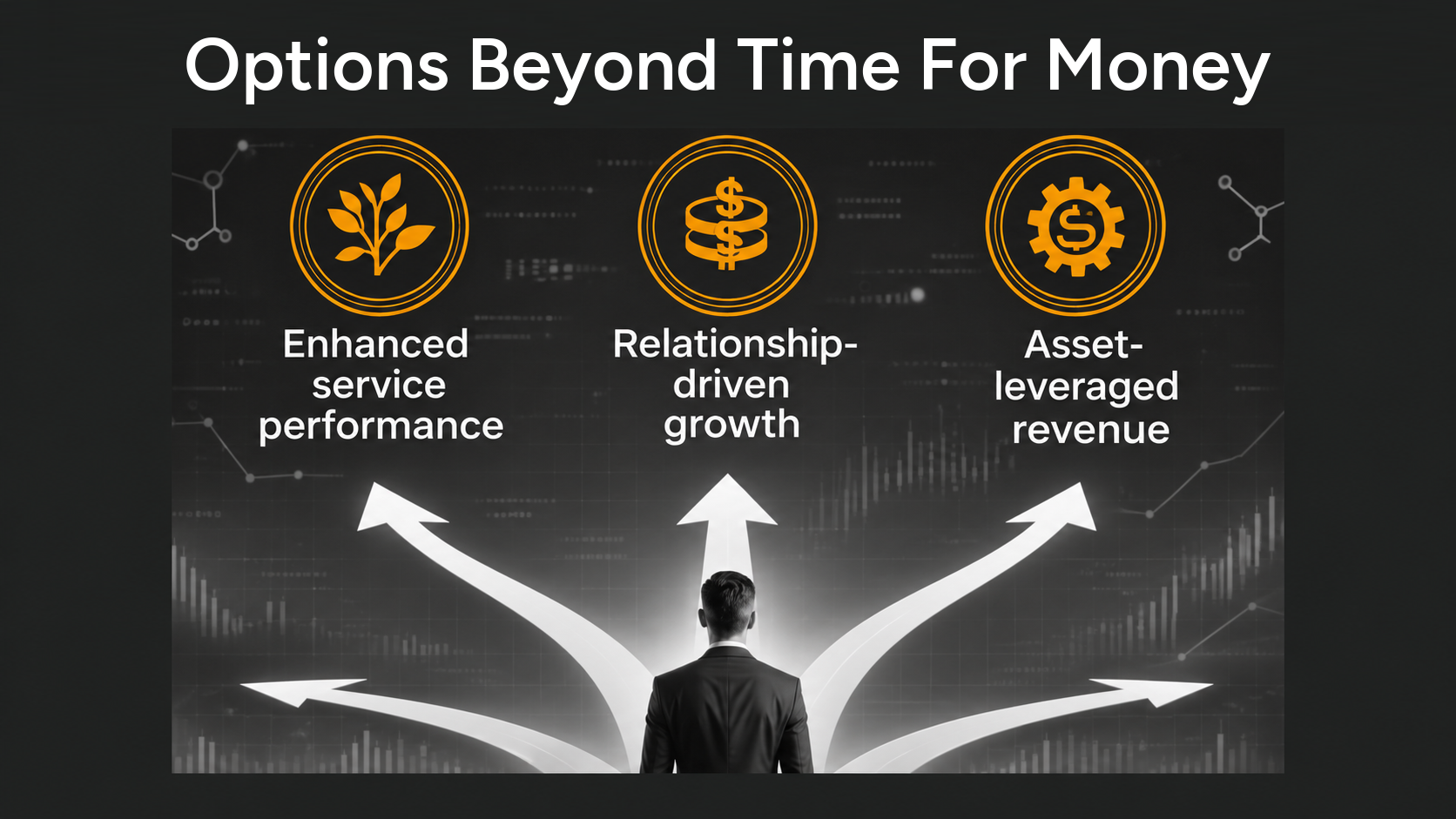
True scalability means growing revenue significantly faster than costs and team size. Your business can evolve beyond time-for-money through three main pathways:
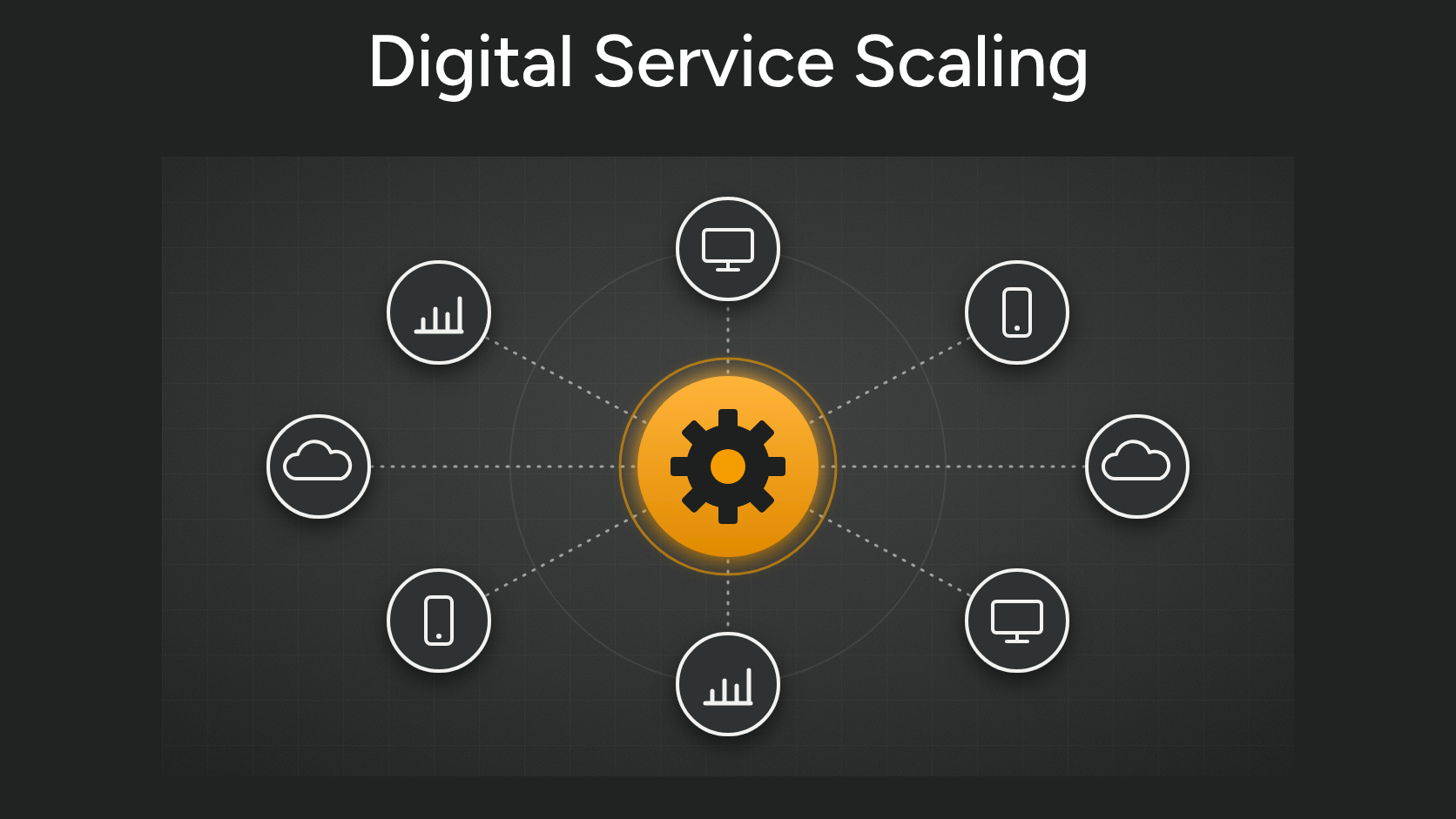
1. Enhanced Service Performance
Package and price your services to capture more value for each hour invested.
The Coffee Shop Evolution Analogy:
Consider how coffee shops have evolved over time:
- Stage One: Traditional cafés where each coffee is made to order with complete customisation—a pure time-for-money approach requiring skilled baristas for every cup.
- Stage Two: Modern coffee shops with standardised menu options ("Flat White," "Cappuccino," "Latte") at fixed prices—selling defined outcomes rather than barista time.
- Stage Three: Premium coffee subscriptions where customers pay monthly for unlimited coffee or discounted refills—creating predictable revenue without variable transaction costs.
- Stage Four: Branded coffee pods and signature beans for home use—leveraging the café's expertise without requiring barista time at all.
Each evolution stage creates more leverage and breaks the direct connection between revenue and time.
2. Relationship-Driven Growth
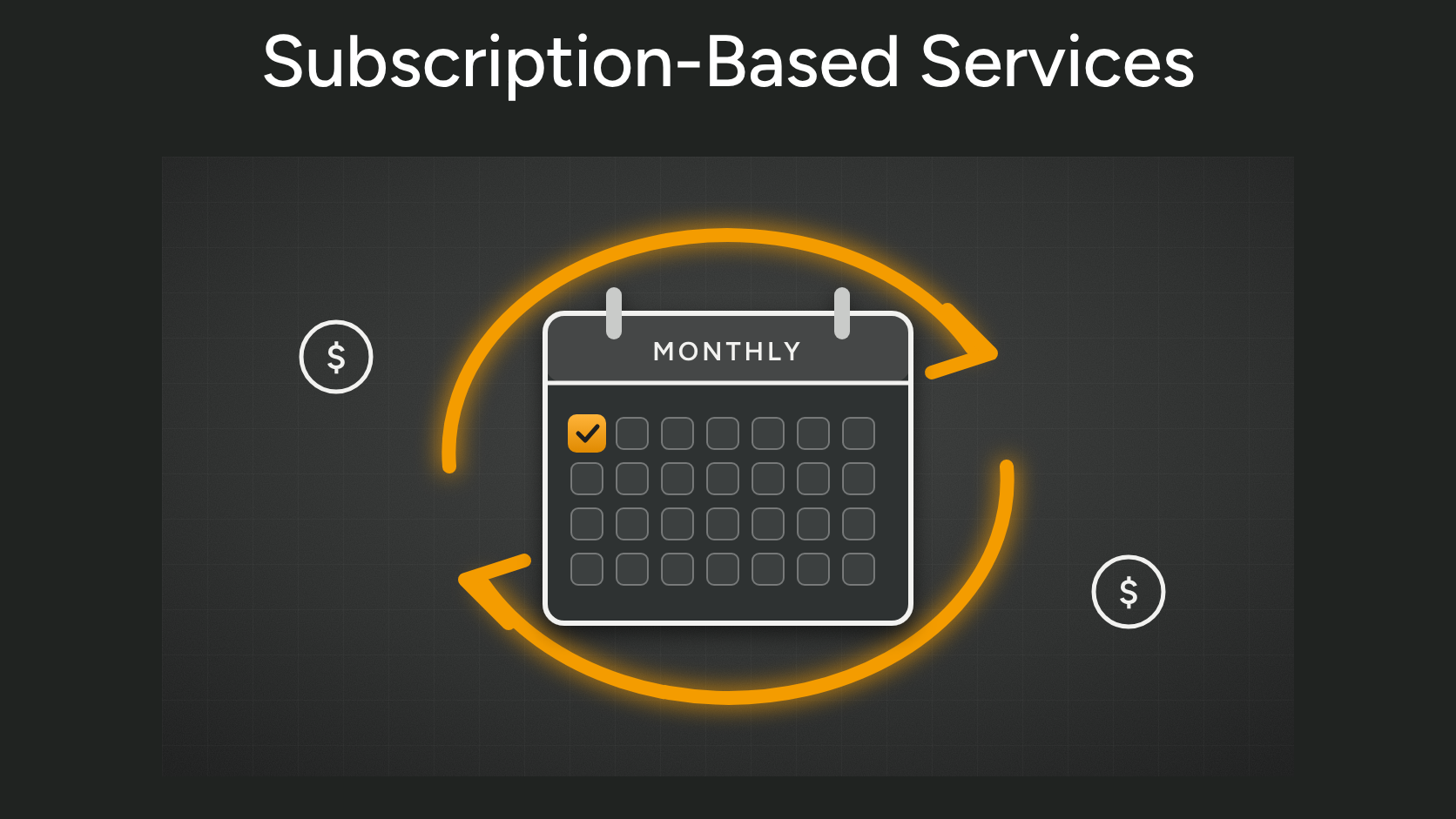
Develop ongoing client relationships that generate revenue without constantly chasing new projects. Create subscription services that provide continuous value rather than completing one-off assignments that force you back into business development mode.
The Netflix Effect:
Remember video stores renting movies one at a time? Netflix transformed that with subscriptions—predictable monthly revenue without constant transaction costs. What's the subscription equivalent in your industry?
3. Asset-Leveraged Revenue
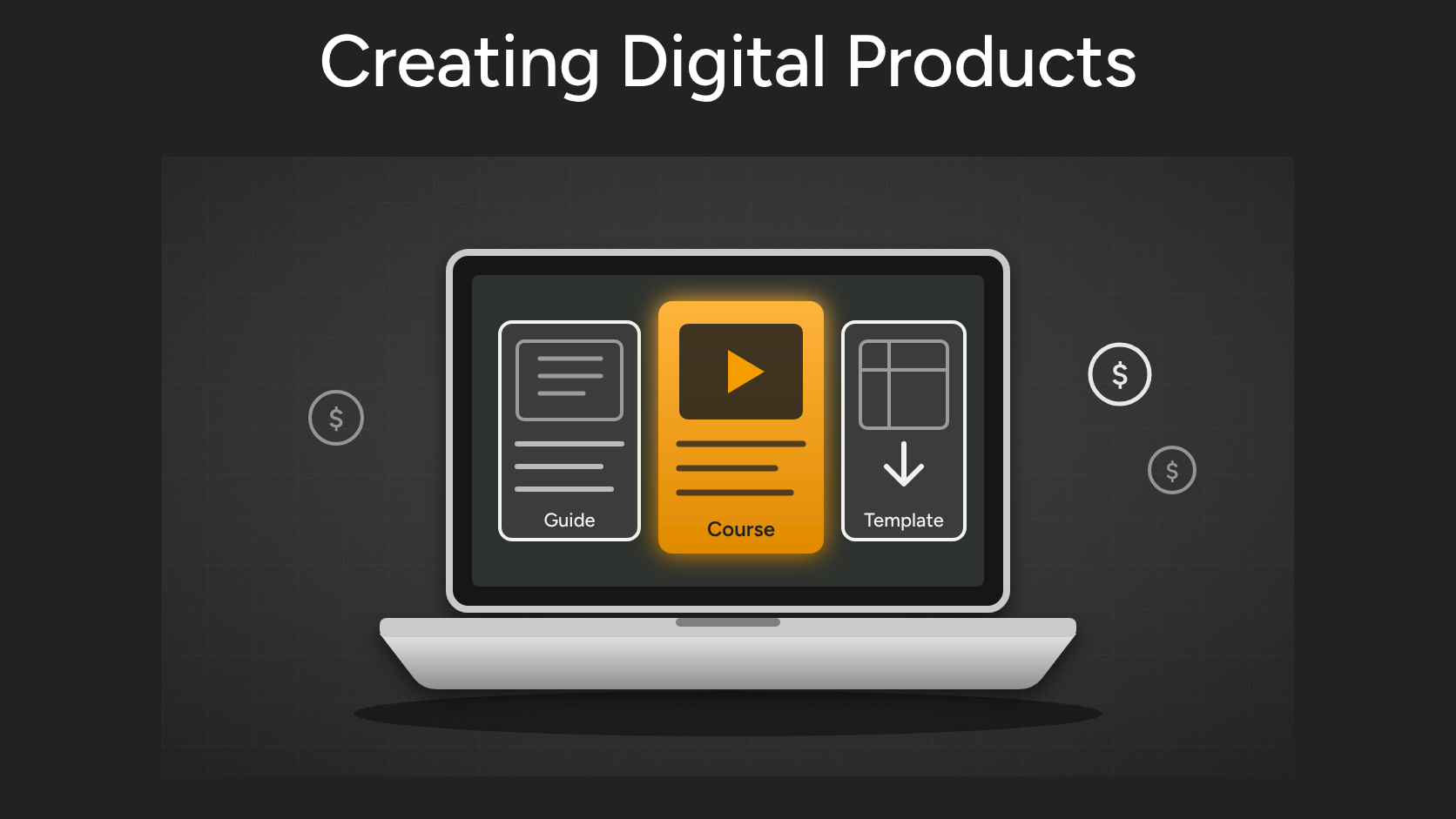
Build intellectual property, methodologies, or platforms that generate value without proportional time investment.
The Recipe Book Approach: A chef can serve only so many meals personally, but with a recipe book, they share expertise with thousands. What's your business's "recipe book"?
Your Next Steps
Start with these three practical steps:
Step 1: Package One Service
Identify a service you deliver repeatedly and create a standardised package with fixed pricing. Define what's included, what's not, and set a value-based price.
Pro Tip:
Start with a service that has clear boundaries and predictable delivery requirements.
Step 2: Test Outcome-Based Pricing
For your next proposal, price based on outcome value rather than hours. What is the result worth to the client?
Quick Exercise: List the top three tangible benefits clients receive from your services and assign each a monetary value from the client's perspective.
Step 3: Create One Subscription Offering
Identify an ongoing client need that could be addressed through a monthly service—maintenance, monitoring, or access to expertise.
Example: A law firm moved from hourly billing to a "General Counsel Subscription" where businesses pay monthly for defined services and priority access. Client retention improved dramatically, and cash flow became predictable.
What Your Business Could Look Like
Imagine your business two years from now:
- Clear Service Packages clients easily understand and select
- Subscription Services providing steady, predictable monthly revenue
- Proprietary tools and methodologies setting you apart
- Double the revenue with only a modest team increase
- A business that operates smoothly even when you're away
This isn't fantasy—it's what happens when you systematically apply the right business model innovations. The first step is recognising there's a better way—and you've already taken that step. Now it's time to choose your path forward.
Take Action Now
Discover which scaling pathway aligns best with your specific business model and goals. The Scaling Readiness Check; 16 Questions. 5-minute check. Immediate insights provide personalised insights into your optimal path to picking your model to freedom.
[Take the Scaling Readiness Check Now → Unlock your personalised pathway to scalable growth]
In the
following articles, we'll explore each pathway and strategy in detail, giving you practical frameworks and real-world examples to guide your journey beyond time-for-money into true scalability
Recent Posts