Monetising Expertise: Creating Digital Products for Service Business Growth

Scaling & Growth Strategy • February 26, 2025

Share this article

One-to-one service is selfish. Here's why.

Sophia, the founder of a boutique learning and development consultancy, found herself in a familiar but frustrating cycle. Her team of eight was known for creating transformative leadership training programs that consistently generated powerful results for clients across the financial services sector.


Yet, despite glowing testimonials and impressive outcomes, Sophia was exhausted. Each new client engagement required her to be personally involved in program design and delivery. Her calendar was perpetually full, and inquiries kept piling up from organisations she simply didn't have the capacity to serve.


The breaking point came during a conversation with a potential client in a different industry.


"Your approach to leadership development is exactly what our organisation needs," the HR director told her, "but we're in manufacturing, not financial services. Would your methodology work for us?"


It was a question that stopped Sophia in her tracks. Her leadership development methodology wasn't industry-specific—the principles were universal. Yet her delivery model meant she could only serve a fraction of the organisations that could benefit from her expertise.


"I've spent years developing this methodology," Sophia realised. "But the way we're delivering it means most people who could benefit from it will never experience it."


The Expertise Imprisonment Challenge

Sophia's challenge underscores why service professionals must explore knowledge monetisation strategies to create scalable business models:

The External Problem: When your expertise remains locked within custom client work, its reach and impact are severely limited. Despite having knowledge that could help thousands, your delivery model restricts you to helping dozens through direct service.


The Emotional Struggle: Sophia feels both proud of the methodology she's developed and frustrated by its limited reach. She's torn between her high-touch work and the nagging sense that her expertise could and should be helping many more people.


The Deeper Belief: At her core, Sophia believes that valuable expertise should be widely accessible. The growing gap between the number of people who could benefit from her methodology and those she can directly serve challenges her sense of purpose and impact.


The direct service model that helped Sophia establish her reputation has become the very thing constraining her expertise from achieving its full potential.

A Fellow Traveler on the Journey

After working closely with service professionals at this exact crossroads for over two decades, I recognise the tension Sophia is experiencing. That frustration of knowing your expertise could help many more people if it wasn't confined to one-to-one delivery is a signal worth heeding.


The shift from custom delivery to Knowledge Products isn't about diminishing quality—it's about thoughtfully packaging your expertise in ways that make it accessible beyond your direct time investment. It allows you to maintain your methodological excellence while dramatically expanding your reach and creating assets that generate revenue even when you're not actively working.


Running my own business, combined with 20 years of helping businesses scale, has taught me what works—and, more importantly, what doesn't. I've seen the costly mistakes and dead ends that can waste precious time and resources. This hard-won experience helps you bypass the trial and error that slows most businesses down, allowing you to unlock your business's full potential while staying true to your vision and values.

The Knowledge Products Framework for Selling Expertise Online

Creating successful Knowledge Products involves strategic packaging of your expertise into formats that can be sold repeatedly:

1. Identify Your Proven Methodology 

What frameworks, processes, or approaches have you developed that consistently create results? What aspect of your expertise is most valuable and could stand alone without your direct delivery?

2. Choose Your Knowledge Product Format 

Consider options based on your content and audience:


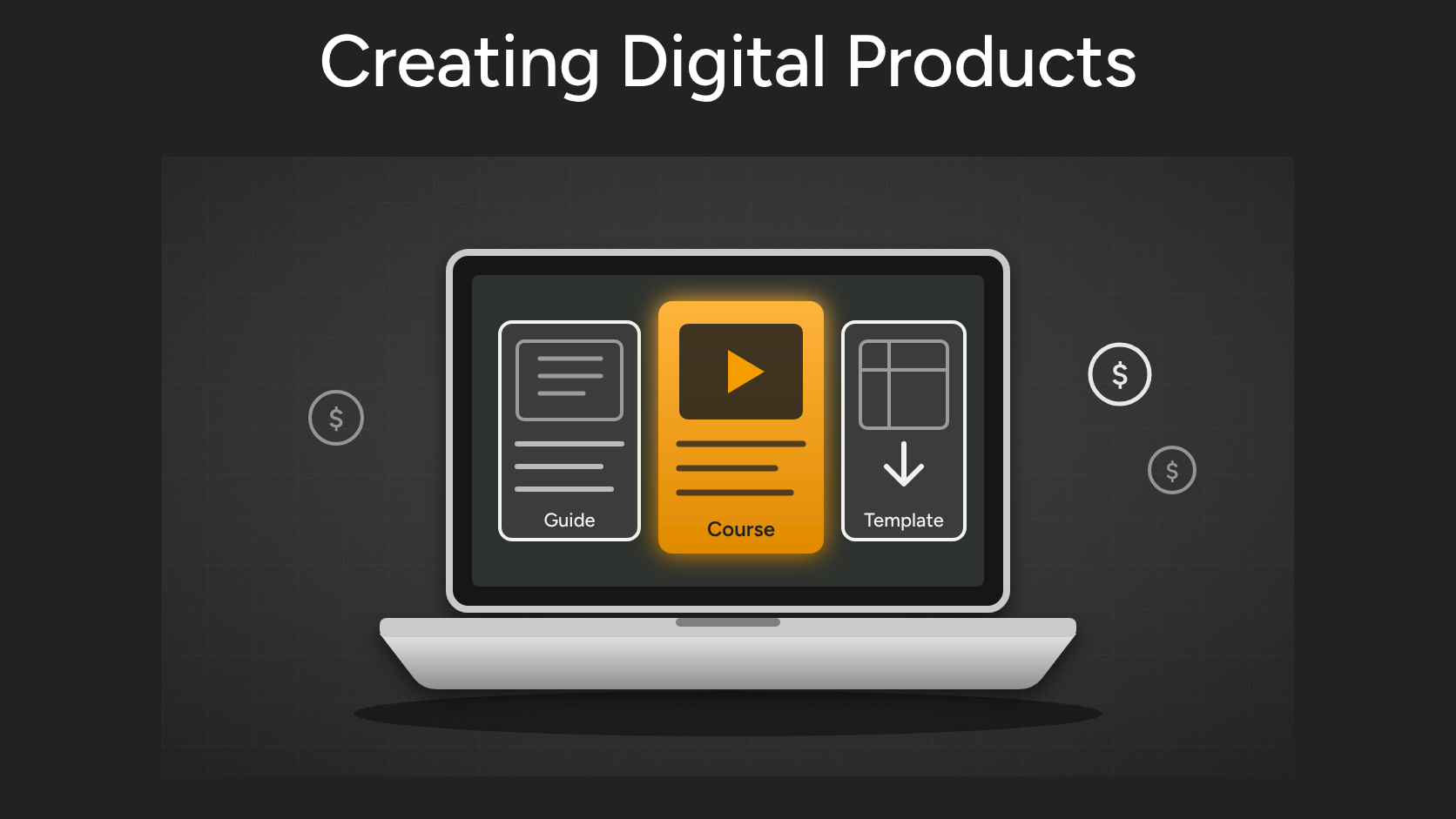
  • Online courses or training programs
  • Membership sites with ongoing content
  • Books, e-books, or audiobooks
  • Assessment tools or diagnostics
  • Templates, frameworks, or playbooks
  • Licensing programs for your methodology

3. Develop Your Content Architecture 

Structure your knowledge product with:


  • Clear learning or implementation pathways
  • Engaging content in appropriate formats (video, audio, text)
  • Supporting materials that aid application
  • Appropriate pricing tiers based on value and access levels

4. Create Your Distribution Strategy 

Determine how you'll bring your knowledge product to market:


  • Direct through your own platform
  • Through established marketplaces
  • Via strategic partners and affiliates
  • Alongside your service offerings as complementary solutions

Your First Steps Forward

The journey to successful Knowledge Products begins with these practical moves:


Step 1: Expertise Inventory Document the key methodologies, frameworks, and processes you've developed. Identify which elements generate the most consistent results and could potentially stand alone.


Step 2: Format Selection Based on your content and target audience, select the knowledge product format that best delivers your expertise without requiring your direct involvement.


Step 3: Create a Minimum Viable Product Develop a simplified first version of your knowledge product. Test it with a small group of clients or prospects before investing in more elaborate production.

The Cost of Inaction

Continuing with a purely direct service approach means:


  • Your valuable expertise will remain limited to those you can personally serve
  • Your income will continue to be directly tied to your available time
  • Many people who could benefit from your knowledge will never access it
  • You'll build a business that depends on your constant involvement rather than valuable intellectual property


Digital products for service businesses offer a different future—one where your expertise reaches exponentially more people and creates passive income for consultants while building valuable service business intellectual property.

Sophia's Knowledge Transformation

Sophia's journey to Knowledge Products began with documenting her leadership development methodology. Working with an instructional designer, she translated her approach into a comprehensive online program called "Connected Leadership."


The program included:


  • Video-based training modules covering her core curriculum
  • Interactive assessment tools and exercises
  • Implementation templates and worksheets
  • Community forums for peer learning
  • Certification options for internal facilitators


She launched the program with three tiers:


  • Self-directed: Individual access to all program materials
  • Supported: Self-directed plus group coaching calls
  • Enterprise: Organization-wide access with implementation support


The transformation expanded her impact dramatically:


  • Within the first year, over 500 leaders completed the program compared to 120 through direct training
  • Revenue increased by 70% while delivery time decreased by 30%
  • Her methodology reached industries and regions she had never served directly
  • Her business valuation increased significantly as she built valuable intellectual property


"I now have two complementary businesses," Sophia reflected. "Our high-touch consulting work for organisations that want customised solutions, and our knowledge products for those who want access to our methodology in a more accessible format. Most importantly, our expertise now helps thousands of leaders instead of dozens."

Your Knowledge Product Potential

What aspects of your expertise could be packaged into valuable Knowledge Products? The opportunity to dramatically scale your impact begins with recognising which elements of your methodology could help more people if freed from the constraints of direct delivery.


Take the Scaling Readiness Check 16 Questions. 5-minute check. Immediate insights to assess how prepared your business is to develop Knowledge Products and receive personalised guidance for your next steps.


[Take the Scaling Readiness Check Now → Discover your path to expanded impact through Knowledge Products]


In our final article in this series, we'll explore how to select and implement the right scaling model for your specific service business, helping you choose the optimal path forward based on your unique situation and goals..

Recent Posts

Fix the holes first: leaking bucket with one hole patched
By Scaling & Growth Strategy • March 19, 2025
Strategic pivots are overrated. Do this instead.
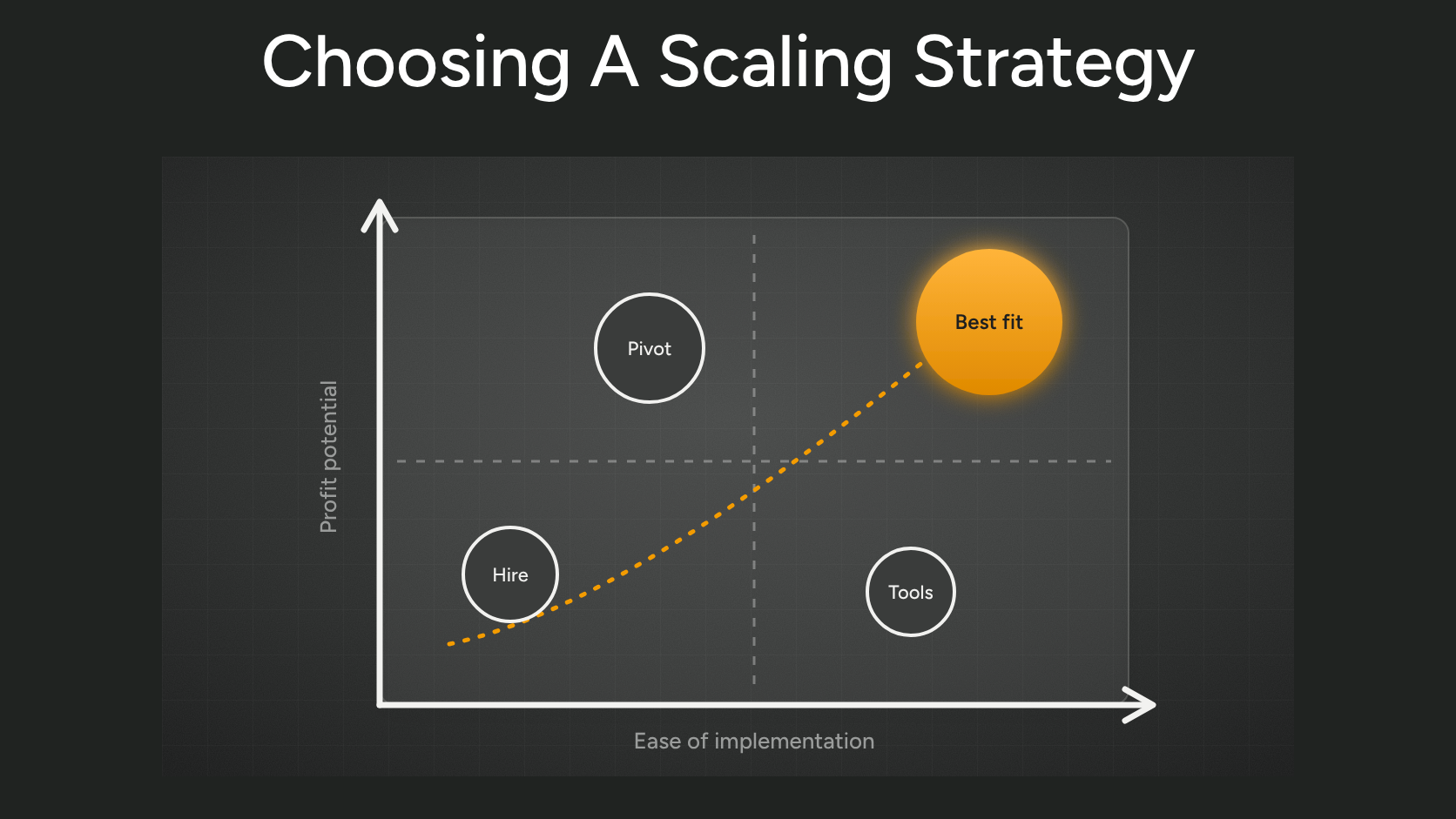
Choosing a scaling strategy: profit potential versus ease of implementation
By Scaling & Growth Strategy • March 5, 2025
Your scaling instincts are probably wrong.
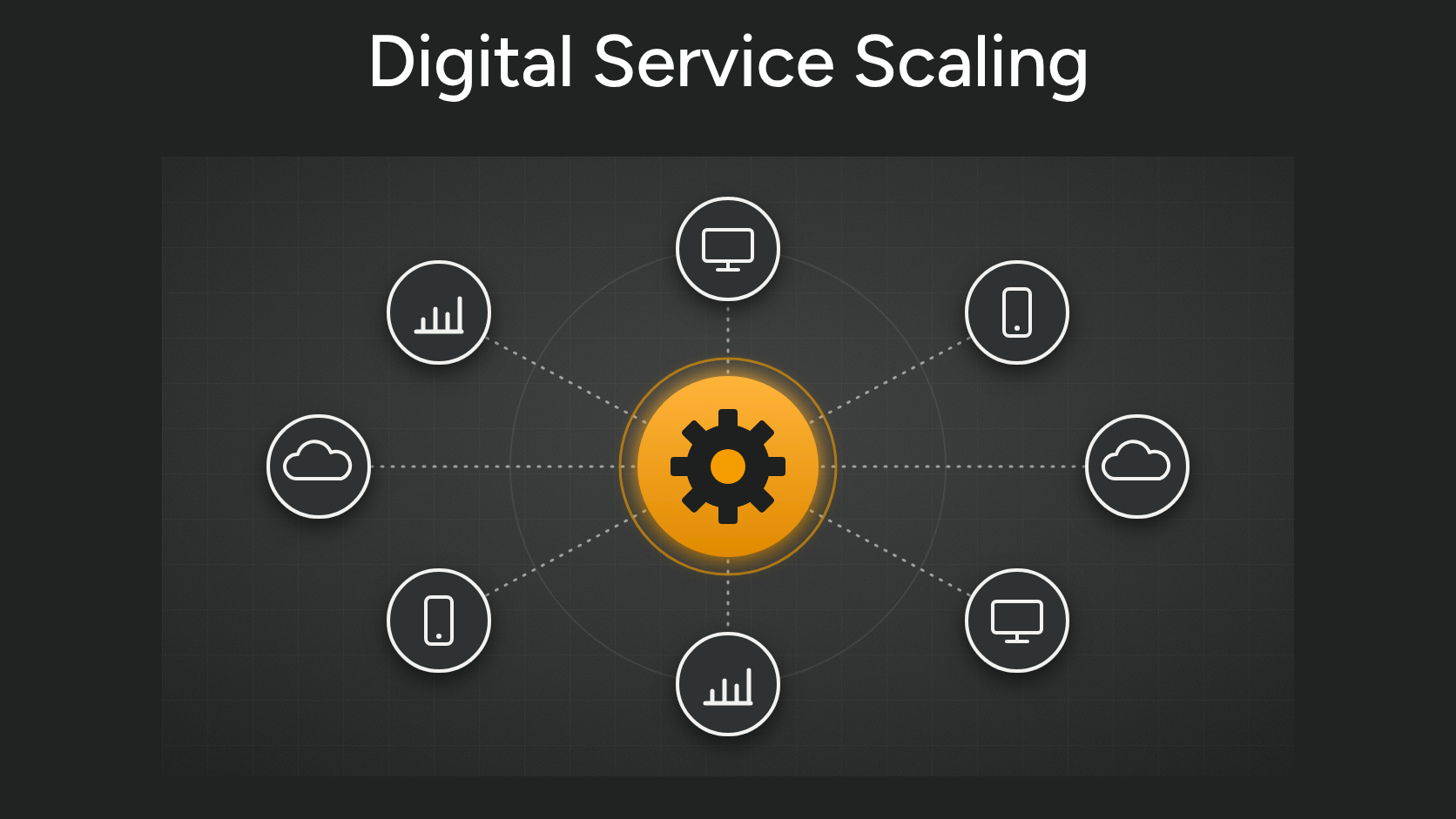
Digital service scaling: central hub connected to devices
By Scaling & Growth Strategy • February 19, 2025
The digital leverage few service firms discover.
Scaling through partners: two puzzle pieces fitting together
By Scaling & Growth Strategy • February 12, 2025
Your expertise limits are costing you clients.
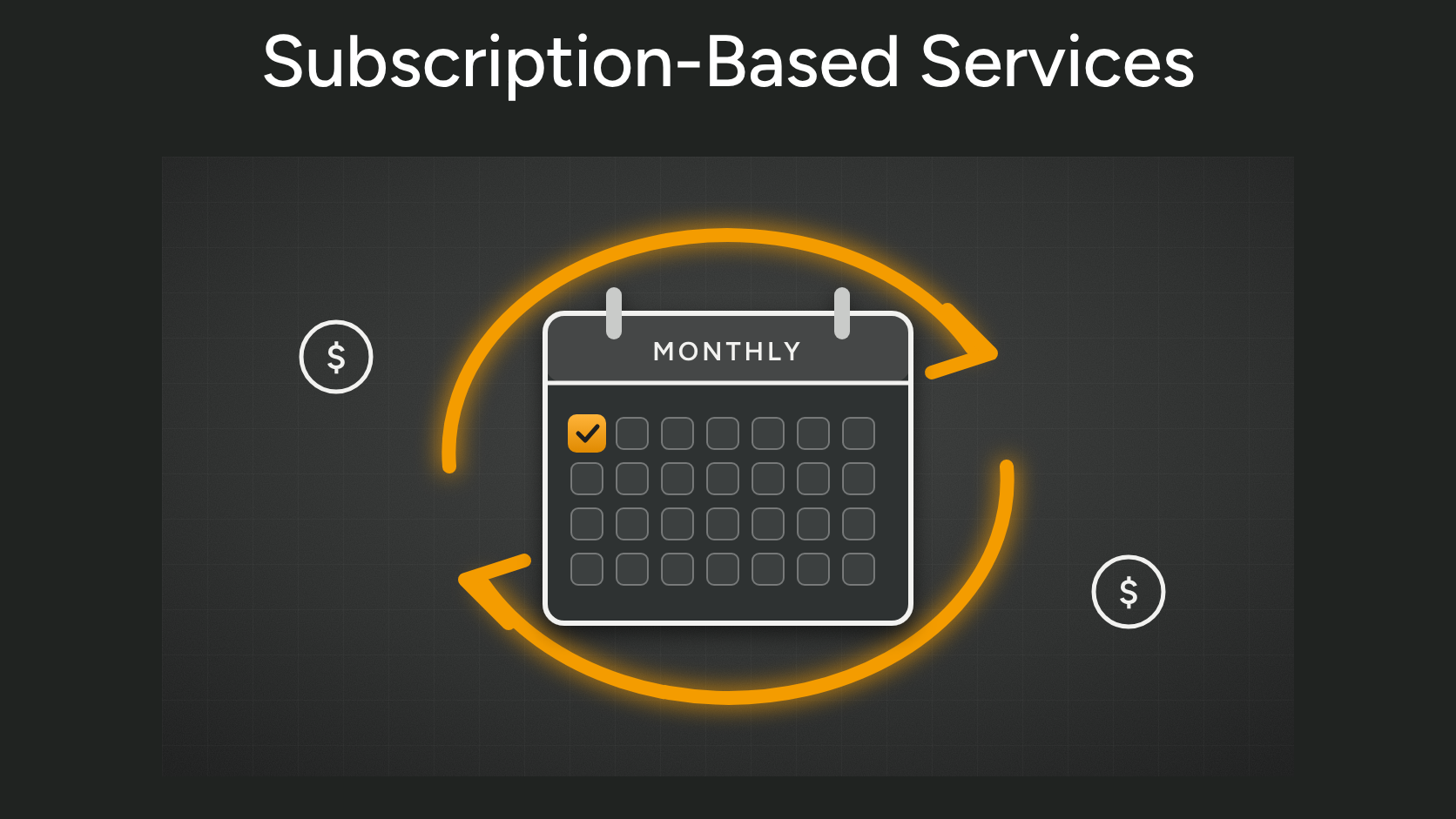
Subscription-based services: monthly calendar with a recurring loop
By Scaling & Growth Strategy • February 5, 2025
Projects are addictive poison. Here's the cure.
Balancing price and value on a scale
By Scaling & Growth Strategy • January 29, 2025
Why experts earn less, the better they become.
Service packages for scaling: good, better and best boxes
By Scaling & Growth Strategy • January 22, 2025
Standardisation increases quality. Here's why.
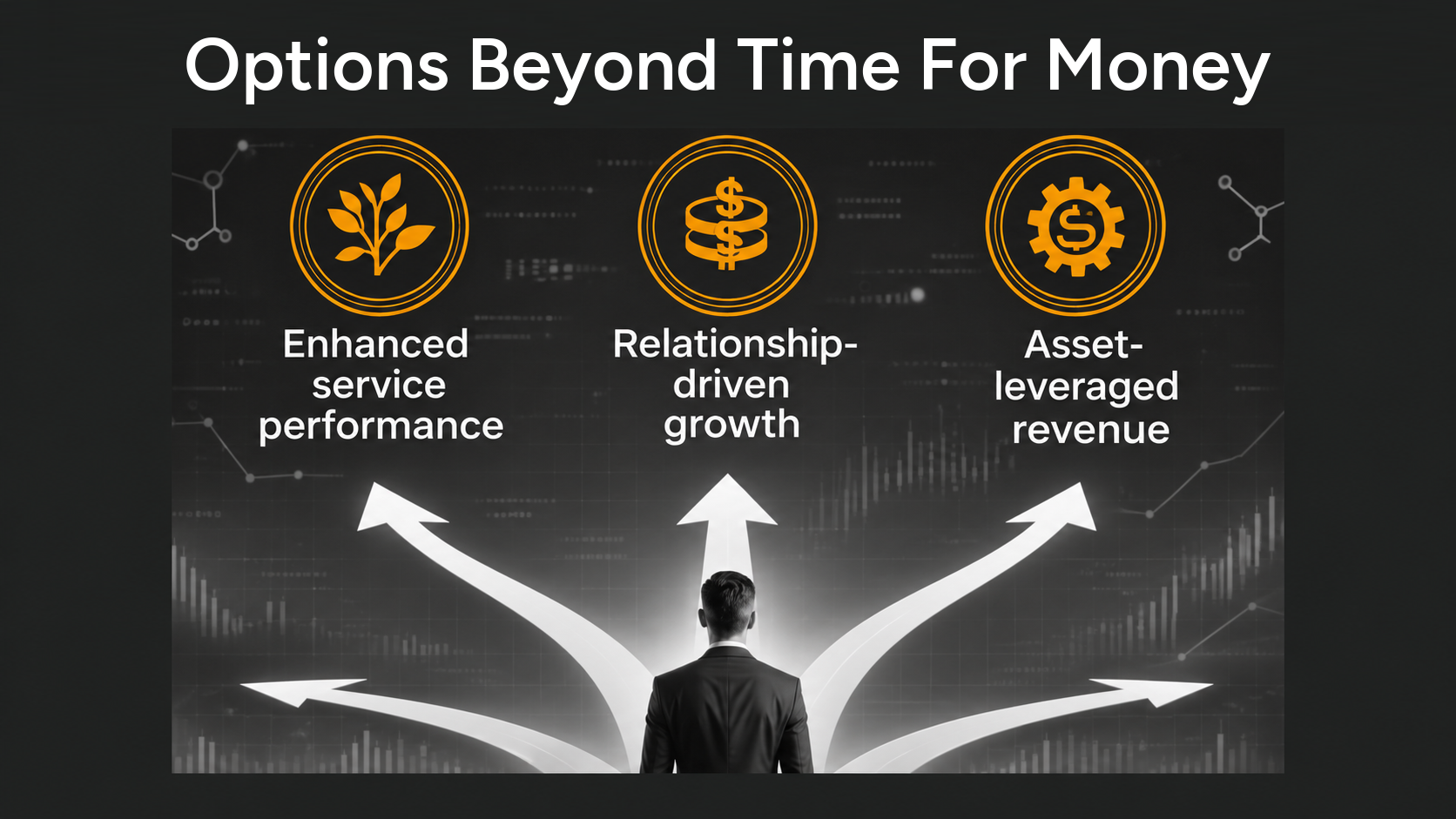
Options beyond time for money: three paths to scale a service business
By Scaling & Growth Strategy • January 15, 2025
Standardisation increases quality. Here's why.
Trading time for money: stopwatch balanced against cash
By Scaling & Growth Strategy • January 8, 2025
Stop selling your time. It's your worst asset.
70% grow but never scale: growth blocks with rising arrows
By Scaling & Growth Strategy • January 1, 2025
The invisible ceiling 70% never break through.